You walk into your living room, glance at the wall, and there it is again: a thin crack snaking across the drywall you patched just months ago. Why does this keep happening? Is it dangerous, or just cosmetic?
Drywall cracks are one of the most common complaints we hear from Atlanta homeowners. Most are harmless, but ignoring them can be risky. A small crack can hide moisture problems, foundation movement, or poor original installation. The longer you wait, the more expensive the fix becomes.
This guide breaks down exactly why drywall cracks form, the different types you might see, how to repair them properly, and when it is time to call a handyman.
What Causes Drywall Cracks?
Drywall does not crack for no reason. There is always an underlying cause, and identifying it is the first step to a lasting repair.
Foundation Movement
Atlanta sits on Georgia red clay, a soil that expands when wet and shrinks when dry. This constant movement shifts your foundation slightly, and your walls move with it. Cracks that appear in the same spot year after year often point to foundation activity.
Temperature and Humidity Changes
Hot, humid Atlanta summers and cooler, dry winters cause drywall, wood framing, and joint compound to expand and contract at different rates. This stress shows up as hairline cracks, especially around corners, ceilings, and window frames.
Poor Installation
If drywall tape was not properly embedded, joints were under-mudded, or screws were over-driven, cracks will appear within a year or two. This is one of the most common causes we see in newer construction and flipped homes.
Water Damage or Leaks
A slow roof leak, a sweating pipe, or a failed bathroom seal can soften drywall from behind, causing cracks, bubbling, or brown stains. If you see a crack with discoloration, suspect water first. Our plumbing repairs team can locate the leak before it spreads.
Normal House Settling
Every home settles in its first few years. Small, stable hairline cracks above doors and windows are usually nothing to worry about. The key word is stable: if they keep growing, the cause is something more serious.
Types of Drywall Cracks and What They Mean
Not every crack means the same thing. Knowing the type helps you decide whether to grab a putty knife or pick up the phone.
Hairline Cracks (Cosmetic)
Thin, shallow lines often caused by humidity changes or paint shrinkage. These are almost always cosmetic and easy to repair.
Structural Cracks (Serious)
Wider than an eighth of an inch, often diagonal, and sometimes accompanied by sticking doors or uneven floors. These can indicate foundation or framing problems and should be inspected.
Ceiling Cracks
Straight ceiling cracks usually follow a drywall seam and are minor. A spiderweb pattern, a sagging area, or a crack with a brown stain points to water damage or truss movement and needs immediate attention.
Cracks Near Doors and Windows
Stress points around openings crack easily. Small ones are normal. Large or stair-step cracks above doors can mean the header is shifting or the frame is settling unevenly.
How to Fix Drywall Cracks Step-by-Step
For small, stable hairline cracks, a careful DIY repair works well. Here is the process we use.
- Clean and prep the crack. Use a utility knife to widen the crack slightly into a V shape. Brush out dust and loose debris.
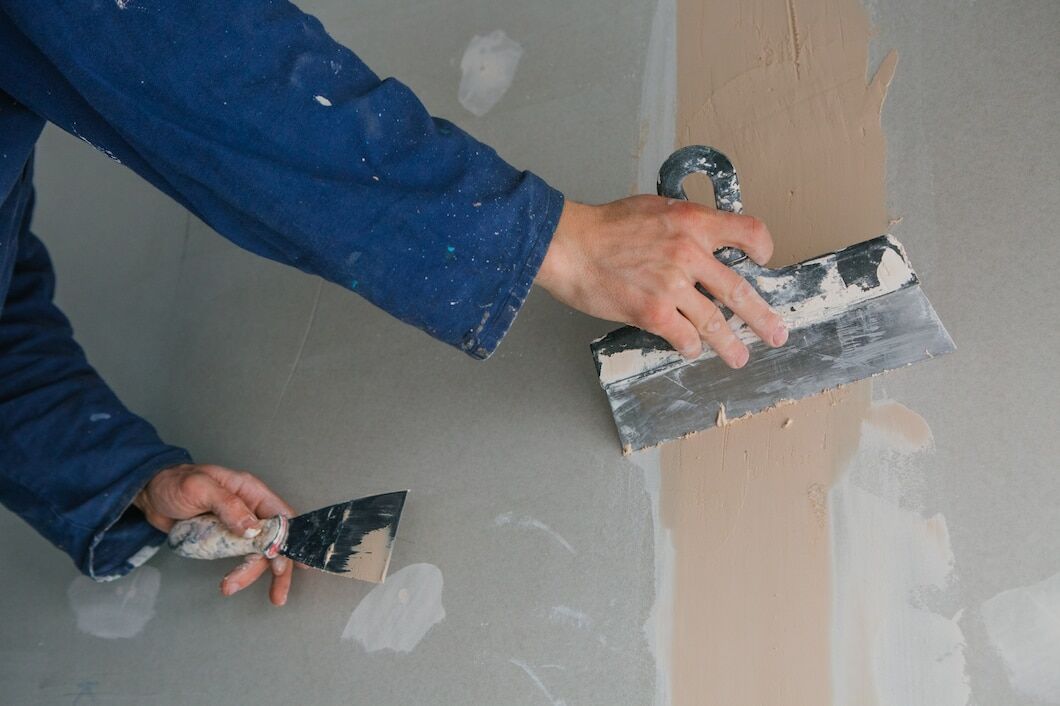
- Apply joint compound. Press a thin layer of compound into the crack with a putty knife, filling it completely.
- Add mesh or paper tape. For anything wider than a hairline, embed self-adhesive mesh tape over the crack, then cover with another thin coat of compound.
- Feather the edges. Spread the compound 4 to 6 inches beyond the crack so it blends smoothly into the wall.
- Let it dry, then sand. Wait 24 hours, sand smooth with fine grit, and apply a second coat if needed.
- Prime and paint. Always prime the patch before painting, or the repair will flash through the topcoat.
When DIY Works
If the crack is hairline, isolated, and not growing, a careful homeowner can handle it in an afternoon.
When to Call a Professional
Call a pro if the crack is wider than an eighth of an inch, keeps coming back after repair, is on the ceiling with staining, or shows up alongside sticking doors or sloping floors. Our home repair services team can diagnose the root cause, not just patch the symptom.
Why Your Drywall Cracks Keep Coming Back
If you have patched the same crack twice and it returned, one of these is the reason.
- Poor repair method. Skipping tape or using too little compound almost guarantees the crack will reopen.
- Ignoring the root cause. If foundation movement or a leak is behind the crack, no amount of mud will keep it closed.
- Moisture issues. Hidden plumbing leaks, poor attic ventilation, or bathroom humidity can keep stressing the drywall.
- Structural movement. Settling foundations, sagging trusses, or shifting framing keep flexing the wall until the patch fails.
A proper repair treats the cause first, then the cosmetic damage.
When You Should Call a Handyman
Some cracks are warnings, not blemishes. Call a professional if you notice any of the following:
- Cracks that grow longer or wider over weeks or months
- Multiple cracks appearing in the same room
- Water stains, soft spots, or bubbling paint near the crack
- Doors or windows that suddenly stick
- Cracks wider than an eighth of an inch or running diagonally
A licensed handyman can identify whether you are dealing with cosmetic damage, a moisture issue, or a structural concern and recommend the right fix. Want a professional opinion? Request a free estimate or call (678) 379-3919.
Cost of Drywall Crack Repair in Atlanta
Pricing depends on the size, location, and underlying cause of the damage. Here are realistic 2026 ranges for the Atlanta market.
- DIY supplies (tape, compound, sandpaper, primer): $25 to $60
- Small professional patch (1 to 2 cracks): $150 to $350
- Multiple cracks or full wall repair: $400 to $900
- Ceiling crack repair with texture matching: $300 to $750
- Repair tied to water damage or structural work: $800 and up depending on scope
Factors that affect the price include ceiling height, paint matching, texture (smooth vs orange peel), and whether the underlying cause needs addressing too. DIY saves money on simple cracks but can cost more in the long run if the wrong cause is treated.
How to Prevent Future Drywall Cracks
You cannot stop your house from settling, but you can reduce the stress that leads to repeat cracks.
- Control humidity. Keep indoor humidity between 30 and 50 percent year round. Run bathroom fans and check attic ventilation.
- Fix leaks immediately. Even small drips behind walls cause big damage over time.
- Maintain your foundation. Keep gutters clean, slope soil away from the house, and water foundation plantings evenly during droughts.
- Use quality materials. Mesh tape, proper joint compound, and primer matter more than people think.
- Schedule regular inspections. An annual walkthrough catches small issues, including those near outlets and switches that may also need electrical fixes, or moisture problems behind a tub during bathroom remodeling projects.
Frequently Asked Questions
Why do drywall cracks keep coming back?
Usually because the root cause was not addressed. Foundation movement, hidden moisture, or poor original installation will keep stressing the wall until those issues are fixed.
Are drywall cracks dangerous?
Most hairline cracks are cosmetic. Cracks wider than an eighth of an inch, growing cracks, or cracks paired with sticking doors and sloping floors can signal structural problems and should be inspected.
Can I fix drywall cracks myself?
Yes, if the crack is small, stable, and not tied to water damage or structural movement. Use tape, joint compound, and primer for a lasting repair.
How long does a drywall crack repair last?
A properly done repair on a stable wall can last 10 years or more. If the underlying cause is not fixed, the crack often returns within a year.
Should I worry about ceiling cracks?
Straight cracks along seams are usually minor. Spiderweb patterns, sagging, or brown staining suggest water damage or truss issues and need professional attention.
How much does a handyman charge to fix drywall cracks in Atlanta?
Most small drywall crack repairs in Atlanta range from $150 to $350. Larger repairs or those involving water damage or texture matching cost more.
What is the difference between a hairline crack and a structural crack?
Hairline cracks are thin, shallow, and stable. Structural cracks are wider than an eighth of an inch, often diagonal, and may be accompanied by other signs of movement like sticking doors or uneven floors.
Get Your Drywall Cracks Fixed the Right Way
Cracks may look small, but they often tell a bigger story about your home. A proper repair starts with finding the cause, fixing it, and finishing the wall so the crack stays gone for good.
If you are tired of patching the same crack over and over, our team can help. Request a free estimate or call (678) 379-3919 for fast, reliable drywall crack repair across Atlanta.
KD Pro Handyman & Remodeling
Professional handyman and home improvement expert with over 10 years of experience serving the Atlanta metro area.
Need Professional Help?
Contact KD Pro Handyman & Remodeling for reliable, licensed services in Atlanta.