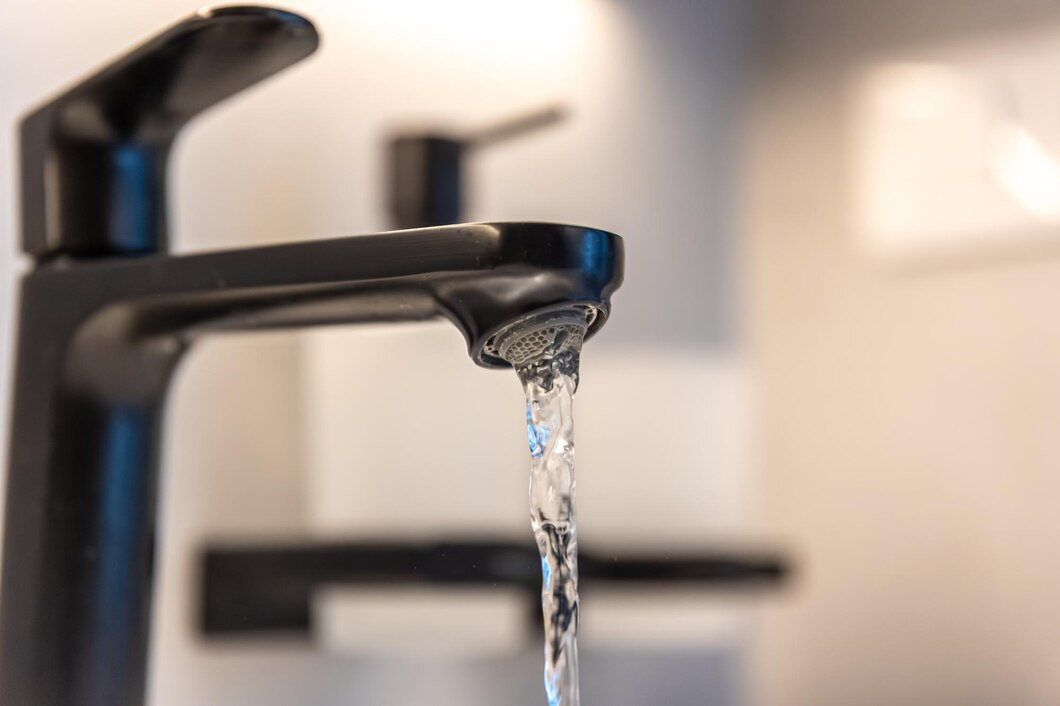
Low water pressure in a home can be frustrating. A weak shower, a slow kitchen tap, or a washing machine that takes forever to fill are all signs something is off. The good news is that most causes are easy to find and fix.
This guide breaks down the main reasons your water pressure may drop, what you can check on your own, and when it is time to bring in a professional. If you live in Atlanta and need help, our plumbing repair team can get your pressure back to normal fast.
What Is Considered Low Water Pressure In A Home?
Most homes run on water pressure between 40 and 60 psi. Anything under 40 psi often feels weak. Anything under 30 psi will cause real problems with daily tasks like showering or running the dishwasher.
You can test your pressure with a basic gauge that screws onto an outdoor spigot. If the reading is low, the cause is usually one of the issues below.
Why Is My Water Pressure Suddenly Low?
A sudden drop in pressure usually points to a single problem rather than slow wear and tear. Common reasons include:
- A hidden leak somewhere in the home
- A partially closed main shutoff valve
- A failing pressure regulator
- City water supply work in your area
- A clogged aerator on one or more faucets
If only one fixture has weak flow, the issue is likely at that fixture. If the whole house is affected, the problem is closer to the main water line.
The Most Common Causes Of Low Water Pressure
1. Hidden Leaks In The Pipes
A leak anywhere in the system can pull pressure away from the rest of the house. Even a small slab leak or a pinhole in a copper line can cause weak flow at every fixture.
Signs of a hidden leak include a higher water bill, damp spots on walls or ceilings, a musty smell, or the sound of running water when nothing is on. Water damage often shows up as bubbling paint or soft drywall, which may also need drywall repair after the leak is fixed.
Simple fix: Turn off every fixture in the home, then check your water meter. If it keeps moving, you have a leak. Call a plumber right away to find and repair it.
2. Clogged Pipes Or Mineral Buildup
Older homes in Atlanta often have galvanized steel pipes. Over time, rust and mineral deposits build up inside these pipes. The buildup narrows the flow path and chokes your water pressure.
Hard water also leaves calcium scale inside copper and brass fittings. This is one of the slowest and most common reasons for pressure loss.
Simple fix: Clean faucet aerators and showerheads by soaking them in white vinegar. For pipe buildup, the only real solution is to repipe the affected section.
3. Faulty Or Partially Closed Valves
Two main valves control the water coming into your home. The first is the main shutoff valve at the home. The second is the meter valve at the street.
If either is even slightly closed, your pressure will drop across the whole house. This often happens after plumbing work or a recent service call.
Simple fix: Locate your main shutoff valve, usually near the water heater or where the main line enters the home. Make sure it is fully open. Turn it counterclockwise until it stops.
4. A Failing Pressure Regulator
A pressure regulator, also called a pressure reducing valve, sits where the main line enters the home. It keeps city water pressure at a safe level for your pipes.
When a regulator fails, it can drop your pressure to a trickle or send it dangerously high. Most regulators last 7 to 12 years.
Simple fix: If you suspect a bad regulator, a plumber can test it with a gauge and replace it. This is not a do it yourself job because the part sits on a pressurized line.
5. Issues With The City Water Supply
Sometimes the problem is not in your home at all. The city may be flushing hydrants, repairing a main, or running tests. Water main breaks in your area can also cause sudden drops.
Simple fix: Ask a neighbor if they have the same issue. If yes, call your water utility for an update. Pressure usually returns within a few hours.
6. A Clogged Water Heater Or Sediment Buildup
If only your hot water has weak pressure, the issue is likely inside the water heater. Sediment builds up at the bottom of the tank and can block the hot water outlet.
Simple fix: Flush your water heater once a year. If pressure does not improve, the dip tube or outlet may need service.
7. Too Many Fixtures Running At Once
This one is often missed. Running the dishwasher, washing machine, and a shower at the same time can drop pressure even in a healthy system. Older homes with smaller supply lines are more sensitive to this.
Simple fix: Stagger high water tasks. If the issue is constant, ask a plumber about upsizing your main supply line during your next bathroom remodel or kitchen project.
How Do I Fix Low Water Pressure In My House?
Start with the easy checks before assuming the worst. Try these steps in order:
- Test pressure at an outdoor spigot with a gauge
- Confirm both shutoff valves are fully open
- Clean every faucet aerator and showerhead
- Check for visible leaks under sinks and around the water heater
- Look at your water meter for hidden leak signs
- Ask neighbors if they have the same issue
If none of these steps help, it is time to bring in a pro.
When Should You Call A Handyman Or Plumber?
Some pressure problems are simple. Others can lead to water damage, mold, or burst pipes if ignored. Call a professional if you notice any of the following:
- Pressure is low across the entire home
- Your water bill jumped without a clear reason
- You hear running water when nothing is on
- Hot water pressure is much weaker than cold
- You have damp drywall, stained ceilings, or warped flooring
- Pressure spikes feel too strong, then drop
A licensed handyman or plumber can pinpoint the exact cause, fix the issue, and handle any related repairs like patched walls, new fixtures, or updated valves. Our team also offers full handyman services across Decatur, Tucker, North Decatur, and surrounding Atlanta neighborhoods.
How To Prevent Low Water Pressure In The Future
A few small habits can keep your water flowing strong for years:
- Flush your water heater every 12 months
- Clean aerators and showerheads twice a year
- Replace your pressure regulator every 10 years
- Fix small leaks right away before they grow
- Ask about a whole home water softener if you have hard water
Routine maintenance is much cheaper than emergency repairs. Many of these tasks can be bundled into a yearly home checkup with our HomeCare Protection System.
Frequently Asked Questions
Why does my water pressure drop only in the morning?
Morning is peak demand for most neighborhoods. Many homes run showers, washing machines, and irrigation at the same time. If the drop is small and short, it is normal. If it is severe, your supply line may be undersized.
Can low water pressure damage my appliances?
Yes. Dishwashers, washing machines, and tankless water heaters need a minimum pressure to work correctly. Long term low pressure can shorten the life of these appliances.
How much does it cost to fix low water pressure?
Simple fixes like cleaning aerators cost nothing. Replacing a pressure regulator usually runs $250 to $500. Repiping a section of the home or fixing a slab leak can cost much more.
Should I install a booster pump?
A booster pump helps when the city supply itself is weak. It is not the right fix for leaks, clogs, or a failing regulator. A plumber should test your system before recommending one.
Why is my hot water pressure low but cold is fine?
This usually points to the water heater. Sediment, a failing dip tube, or partially closed hot water valves are the most common causes.
Get Your Water Pressure Back To Normal
Low water pressure is rarely random. There is almost always a clear cause, and most issues can be fixed quickly when you catch them early.
If your home in Atlanta is dealing with weak flow, hidden leaks, or pressure drops, our team is ready to help. Request a free estimate or call (678) 379-3919 for fast, reliable service from a licensed local team.
KD Pro Handyman & Remodeling
Professional handyman and home improvement expert with over 10 years of experience serving the Atlanta metro area.
Need Professional Help?
Contact KD Pro Handyman & Remodeling for reliable, licensed services in Atlanta.