Homeowners juggle work, family and a long list of daily tasks, so repairs often slide to the bottom. Small issues linger until they grow into expensive problems. I see this pattern all the time. The good news is that homeowners can break it once they understand why delays happen and what simple steps prevent bigger trouble later.
Why Homeowners Delay Repairs
Cost Fear
Many homeowners picture a giant bill before they even pick up the phone. That fear pushes them to wait and hope the problem settles down. In reality, most early repairs cost far less than expected. A quick visit often keeps a minor issue from turning into a major project. Early action protects the home and the budget.
Overwhelm and Decision Fatigue
A long list of choices can freeze anyone. Homeowners ask themselves what to fix first, who to call and how long the work might take. Too many decisions stop progress. A single contractor with a broad skill set keeps things simple. One call solves multiple repairs, so the homeowner avoids the mental drain of juggling several trades.
Optimism Bias
People trust that problems will fade on their own. A slow drip looks harmless, so the homeowner ignores it. A small crack seems cosmetic, so it gets no attention. These issues never improve on their own. Water keeps spreading and cracks keep growing. A professional steps in early and prevents further damage to the home.
Time Pressure
Busy schedules push repairs aside. Homeowners think repair work takes too long, so they delay it. The right contractor finishes work quickly and keeps disruptions small. Most repairs take far less time than homeowners expect. When a pro handles the job the homeowner gets results without losing entire days to a project.
Not Knowing Who to Trust
Trust plays a big role in every home improvement decision. Homeowners fear poor workmanship and surprise charges. Licensed insured contractors with years of experience bring confidence to the process. When the homeowner knows the team shows up on time and delivers quality work, the hesitation fades.
Psychological Triggers That Fuel Delay
Avoidance
People turn away from anything stressful. A repair feels stressful, so they avoid it. They keep avoiding it until the stress grows. A quick call lowers that stress because it sets the repair in motion. Action always beats avoidance.
Loss Aversion
Spending money hurts so homeowners wait even when the wait costs more in the long run. It feels safer to delay the hit. Early repairs keep money in the homeowners pocket because small problems stay small.
Fear of Complexity
Some repairs look complicated, so homeowners feel intimidated. They imagine messy projects with long timelines. A skilled contractor cuts through that fear because they handle complex tasks every day. Homeowners get clarity and control once they talk through the problem with someone who knows the best path forward.
What Happens When You Wait Too Long
Waiting leads to predictable outcomes. Small problems turn into costly repairs. The pattern stays consistent across homes and neighborhoods.
| Problem | What Happens When You Wait | Cost Increase |
|---|---|---|
| Small leak | Mold and wall damage | 3x to 10x |
| Cracked tile | Subfloor damage | 2x to 4x |
| Peeling exterior paint | Wood rot | 5x or more |
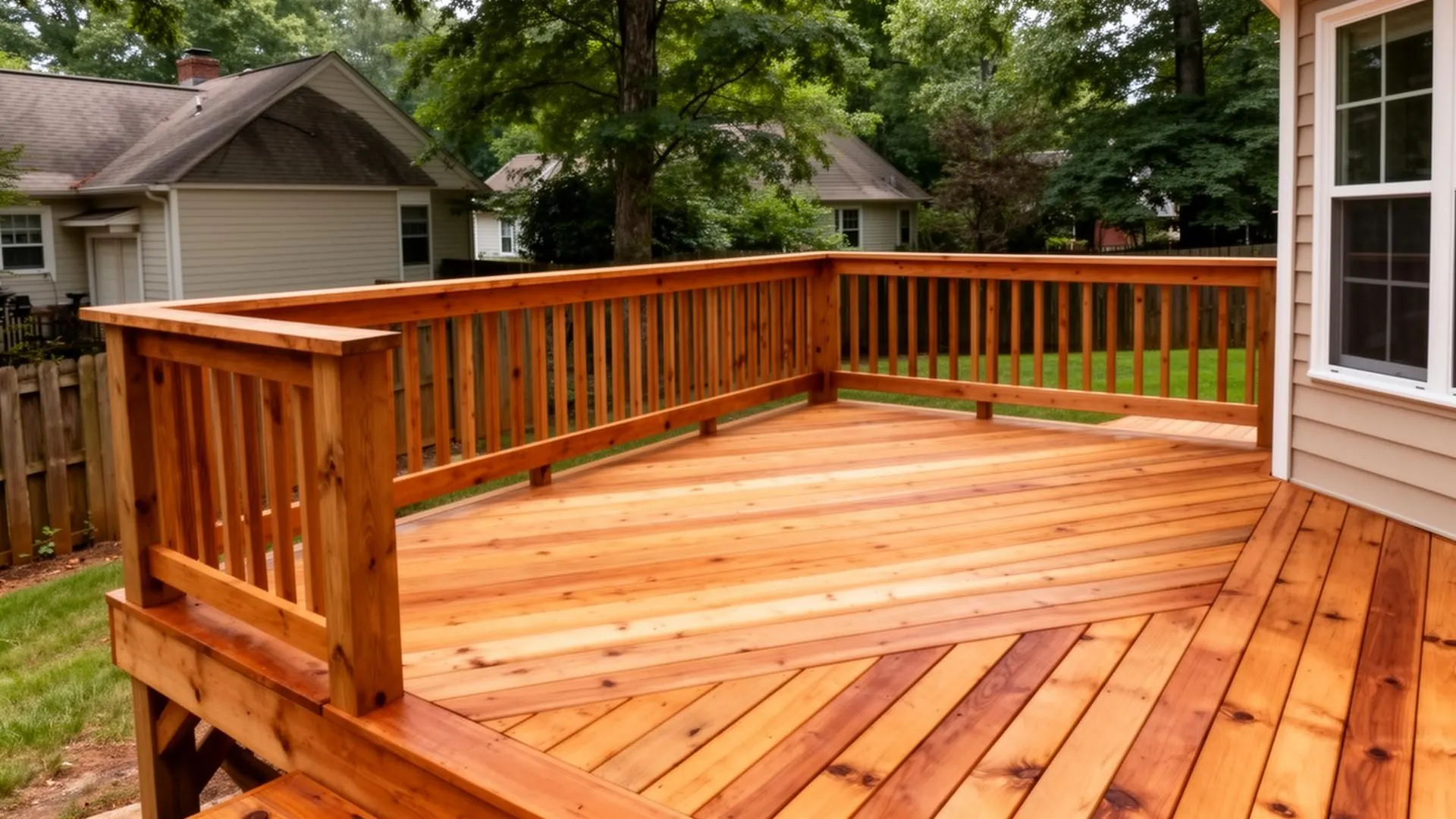
| Loose railing | Safety risk and structural wear | 2x to 3x |
A small leak turns into soaked insulation and damaged drywall. Cracked tiles allow water to slip under the surface and weaken the subfloor. Peeling exterior paint exposes wood to moisture and rot. Loose railings compromise safety in the stairway or on the deck. Early repairs prevent these problems from spreading.
Simple Ways Homeowners Break the Delay Cycle
Start With One Small Task
Homeowners often need momentum. Choosing one small repair builds that momentum. Once they see progress, they handle the rest with confidence.
Set a Monthly Home Check Routine
A simple monthly walk through the home uncovers early signs of trouble. Homeowners spot leaks cracks, wear and unusual noises before they grow. A habit like this saves money and protects the home.
Get a Free Estimate Early
An estimate gives clarity. It takes away the guesswork and the fear of unknown costs. Homeowners learn what the repair involves, how long it takes and how much it costs. That knowledge makes the next step easier.
Use One Contractor for Multiple Needs
A contractor with a wide range of skills solves several issues in one visit. One point of contact and one timeline keep the process smooth. Homeowners avoid the hassle of coordinating multiple trades.
Join a Maintenance Program
A scheduled maintenance plan removes uncertainty. Homeowners stay ahead of problems because professionals check the home on a regular basis. Routine care keeps small issues from turning into major repairs. It also creates peace of mind because the homeowner knows a trained team monitors the home.
When Homeowners Should Call a Professional
Some repairs look simple but hide deeper problems. Plumbing leaks electrical issues and structural concerns need trained hands. A homeowner protects their safety and their home when they bring in a professional for these kinds of tasks. Professionals show up with the right tools and the right experience so the repair finishes quickly and safely. A single call protects the investment in the home and restores confidence in the space.
FAQ
1. What repairs cause the most damage when people wait
Leaks, cracks and electrical issues cause the most damage because they grow fast. Water spreads through walls and framing and small electrical problems create safety risks.
2. How do I know if a small issue will turn into a big one
Most issues show early signs like stains, cracks, noise, or slow drainage. Any change that repeats itself points to a growing problem, so it needs attention.
3. Why do early repairs cost less
Early repairs stay cheaper because they involve small targeted fixes. Once the problem spreads, the labor time and materials increase.
4. When should I avoid DIY
Homeowners should avoid DIY when they face electrical, plumbing, structural, or load-bearing tasks. Mistakes in these areas create high safety risks.
5. How long do most repairs take
Most common repairs finish within a single visit. Larger projects take longer but a clear plan keeps the timeline predictable.
6. How do I find a reliable contractor
Look for a licensed insured contractor with strong experience and transparent communication. A reliable contractor answers questions clearly and shows up on time.
Conclusion
Homeowners delay repairs for many reasons, but these reasons all lead to the same result. The problem grows and the repair costs rise. Early action protects the home and the budget. A skilled contractor brings clarity, speed and trust to every repair. A quick call solves the problem before it grows and gives the homeowner real confidence in their space.
KD Pro Handyman & Remodeling
Professional handyman and home improvement expert with over 10 years of experience serving the Atlanta metro area.
Need Professional Help?
Contact KD Pro Handyman & Remodeling for reliable, licensed services in Atlanta.