
Homeowners often face an important decision when hiring a handyman for repairs or improvements. The choice between a licensed handyman service and an unlicensed provider can affect safety, cost, legal exposure, and long term property value. While unlicensed services may appear cheaper at first, the differences go far beyond pricing.
This article explains the risks, costs, and benefits of licensed and unlicensed handyman services. The goal is to help property owners make informed decisions based on facts rather than assumptions.
What Does Licensed Mean in Handyman Services?
A licensed handyman service operates under state or local regulatory requirements. Licensing rules vary by jurisdiction, but they generally apply when work exceeds a specific dollar amount or involves regulated trades such as electrical, plumbing, or structural work.
A licensed handyman service typically meets the following criteria:
- Holds a valid business license issued by a local or state authority
- Meets experience or qualification requirements
- Carries required insurance coverage
- Complies with building codes and permit rules
- Operates under consumer protection laws
Licensing exists to protect property owners, ensure minimum competency, and reduce unsafe construction practices.
What Is an Unlicensed Handyman?
An unlicensed handyman is an individual or business that performs repair or improvement work without holding required licenses for that scope of work.
This category can include:
- Individuals offering cash based services
- Contractors operating outside license limits
- Workers performing regulated work without authorization
- Businesses without insurance or formal registration
Some unlicensed providers may have experience, but they operate without oversight or accountability.
Key Differences at a Glance
| Area | Licensed Handyman | Unlicensed Handyman |
|---|---|---|
| Legal compliance | Operates within regulations | Often operates outside regulations |
| Insurance | Typically insured | Often uninsured |
| Permits | Follows permit requirements | May bypass permits |
| Accountability | Subject to enforcement | Limited recourse |
| Safety standards | Required to follow codes | No enforcement mechanism |
| Cost structure | Transparent pricing | Often lower upfront cost |
Risks of Hiring an Unlicensed Handyman
Lower pricing is the most common reason homeowners consider unlicensed services. However, the risks often outweigh the savings.
Legal and Financial Liability
If an unlicensed handyman causes property damage or personal injury, the homeowner may be financially responsible. Without insurance coverage, repair costs, medical bills, and legal claims can fall directly on the property owner.
In some jurisdictions, homeowners can also face penalties for knowingly hiring unlicensed contractors for regulated work.
Code Violations and Failed Inspections
Work performed without permits or code compliance can result in:
- Failed home inspections during resale
- Mandatory rework at owner expense
- Delays in closing real estate transactions
- Reduced property value
Municipal inspectors may require removal of unpermitted work regardless of cost.
Safety Risks
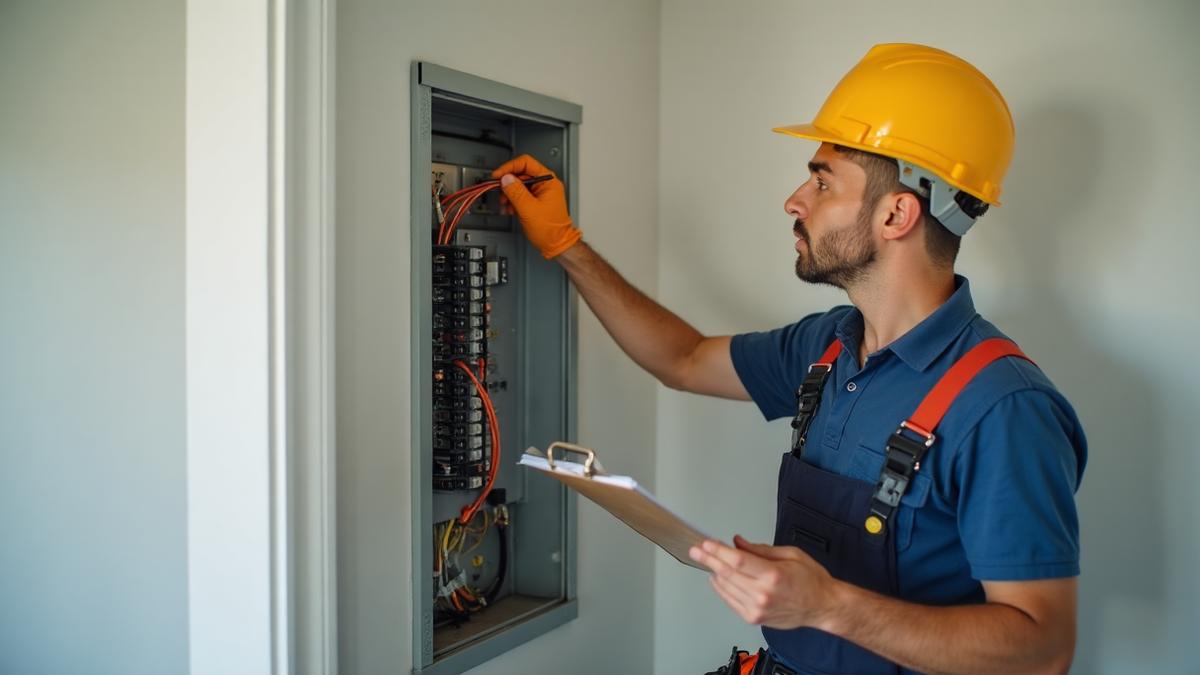
Improper electrical wiring, plumbing connections, or structural modifications create serious hazards. These risks include fire, water damage, mold growth, and injury.
Licensed professionals are required to follow established safety standards. Unlicensed providers are not held to those standards.
No Warranty or Recourse
If an unlicensed handyman abandons a project or performs poor quality work, the homeowner often has no practical recourse. Small claims court may be an option, but recovery is uncertain.
Licensed businesses are accountable through regulatory agencies and reputation risk.
Costs: Upfront vs Long Term
Why Unlicensed Services Appear Cheaper
Unlicensed providers often offer lower pricing because they may:
- Avoid insurance costs
- Skip permits and inspections
- Operate without business overhead
- Accept cash only payments
These savings reduce short term expenses but increase long term risk.
True Cost of Licensed Handyman Services
Licensed handyman services factor compliance into pricing. This includes:
- Liability insurance
- Worker coverage where applicable
- Permit processing
- Proper materials and tools
- Time spent meeting code requirements
While initial costs may be higher, licensed work reduces the likelihood of future repairs, legal issues, and safety hazards.
Cost Comparison Example
| Scenario | Initial Cost | Long Term Outcome |
|---|---|---|
| Unlicensed repair | Lower | Potential rework and liability exposure |
| Licensed repair | Higher | Code compliant and durable result |
Benefits of Hiring a Licensed Handyman Service
Compliance and Peace of Mind
Licensed services operate within legal boundaries. This provides reassurance that work meets applicable standards and regulations.
Homeowners benefit from reduced stress related to inspections, resale, and insurance claims.
Insurance Protection
Licensed handyman services typically carry liability insurance. This protects the homeowner if accidental damage or injury occurs during the project.
Insurance coverage is one of the most important safeguards in home improvement work.
Higher Quality Standards
Licensing often requires demonstrated experience or knowledge. While not a guarantee of perfection, it establishes a minimum competency level.
Licensed professionals are more likely to:
- Use approved materials
- Follow manufacturer guidelines
- Complete work systematically
- Stand behind completed projects
Documentation and Transparency
Licensed businesses usually provide written estimates, invoices, and contracts. Documentation protects both parties and clarifies scope, cost, and timelines.
When Licensing Matters Most
Some tasks fall clearly within regulated categories. In these cases, hiring a licensed professional is essential.
High risk or regulated work includes:
- Electrical wiring and panel work
- Plumbing line modifications
- Structural repairs
- Roof modifications
- Major renovations exceeding cost thresholds
Minor cosmetic tasks may not require licensing, but homeowners should verify local rules before proceeding.
Common Myths About Unlicensed Handyman Services
Myth: Experience Matters More Than Licensing
Experience is valuable, but licensing adds accountability and legal protection. Experience without oversight does not reduce liability risk.
Myth: Small Jobs Do Not Require Licensed Help
Many code violations occur during small projects. Improper repairs can still cause major damage over time.
Myth: Insurance Will Cover Poor Work
Home insurance policies may deny claims related to unpermitted or non compliant work.
How to Verify Licensing and Insurance
Homeowners should take simple steps before hiring any handyman service.
Recommended actions:
- Request license numbers where applicable
- Verify license status with local authorities
- Ask for proof of insurance
- Confirm scope of work matches license limits
- Obtain written estimates
Reputable providers welcome these questions.
Why Licensed Local Handyman Services Provide Better Value
Local licensed handyman services understand regional building requirements, climate considerations, and housing styles. This local knowledge improves repair durability and compliance.
Licensed local providers also rely on reputation and repeat business, creating stronger incentives for quality work.
Making the Right Choice for Your Home
Choosing between licensed and unlicensed handyman services is a decision that affects safety, finances, and property value. While unlicensed options may appear attractive due to lower cost, the hidden risks can be substantial.
Licensed handyman services offer:
- Legal compliance
- Insurance protection
- Code compliant work
- Long term value
For homeowners seeking reliable results and reduced risk, licensed services provide a more secure investment.
Final Thoughts
Home maintenance and repair decisions should prioritize safety, compliance, and durability. Understanding the differences between licensed and unlicensed handyman services allows homeowners to make informed choices that protect both property and finances.
Before starting any project, verify qualifications, understand local requirements, and consider the full cost beyond the initial estimate.
KD Pro Handyman & Remodeling Team
Professional handyman and home improvement expert with over 10 years of experience serving the Atlanta metro area.
Need Professional Help?
Contact KD Pro Handyman & Remodeling for reliable, licensed services in Atlanta.