
Homeowners across the Atlanta area often ask an important question before starting a repair or renovation project. Should the work be handled by a handyman, or is it time to hire a licensed general contractor?
As a professional handyman service serving local homeowners, we believe in giving clear and honest guidance. Some projects are perfect for a skilled handyman. Other situations require a licensed contractor because of safety, legal requirements, structural complexity, or permit rules. Understanding the difference protects your home, your budget, and your long term property value.
This guide explains the ten most common signs that a licensed general contractor is the better choice, along with practical context to help you decide with confidence.
Understanding the Difference Between a Handyman and a General Contractor
Before reviewing the warning signs, it is important to clarify the roles.
A handyman typically handles:
- Minor repairs and maintenance
- Small carpentry jobs
- Fixture replacement
- Drywall repair and painting
- Basic plumbing or electrical tasks that do not require permits
A licensed general contractor usually manages:
- Structural renovations
- Major remodels
- Permit based work
- Multi trade coordination
- Large scale construction or additions
The distinction is not about skill alone. It is primarily about legal scope, safety responsibility, and project complexity.
Sign 1: The Project Requires a Building Permit
If your project needs a city or county permit, that is one of the clearest signals that a licensed contractor is required.
- Structural wall changes
- Room additions
- Major plumbing rerouting
- Electrical panel upgrades
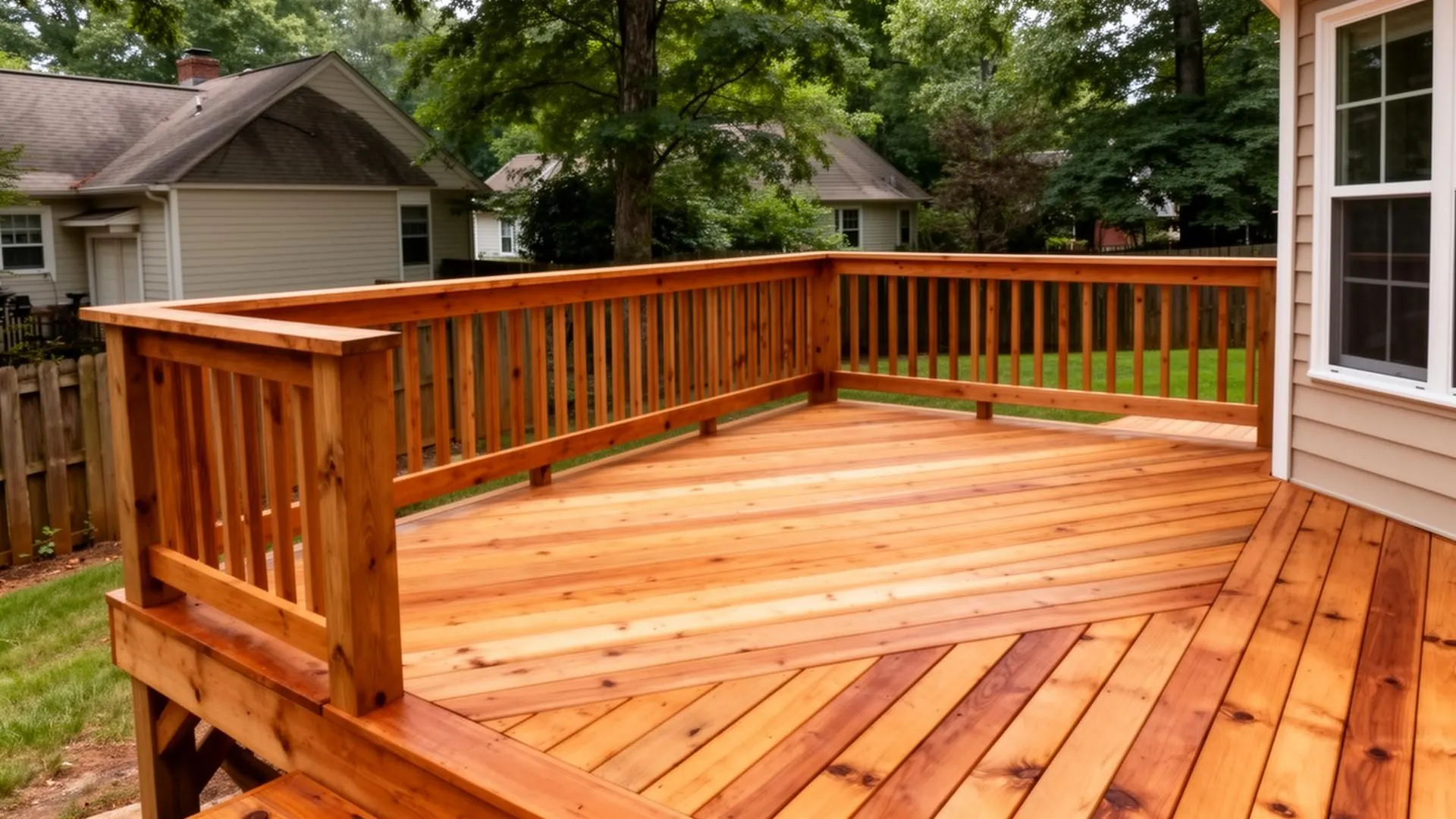
- Deck construction above certain heights
Permit rules exist to protect safety and ensure compliance with local building codes. Licensed contractors understand the approval process, inspections, and documentation requirements.
Attempting permit level work without proper licensing can lead to failed inspections, fines or stop work orders, insurance complications, and reduced resale value.
Sign 2: Structural Changes Are Involved
Any project that alters the structure of the home should move beyond handyman scope.
- Removing load bearing walls
- Modifying roof framing
- Foundation repair
- Large deck framing
- Major floor plan changes
Structural work affects the integrity and safety of the entire property. Licensed contractors are trained to read structural plans, follow engineering specifications, coordinate inspections, and manage liability and insurance.
Sign 3: Multiple Trades Must Be Coordinated
Some projects require several specialized professionals working in sequence.
- Kitchen remodels
- Bathroom renovations
- Basement finishing
- Whole room additions
These jobs often involve plumbing, electrical, framing, drywall, flooring, and cabinet installation. A licensed general contractor manages scheduling, inspections, and trade coordination to prevent delays and code violations.

Sign 4: The Budget Is Large
Project size often signals the correct professional. Larger renovations increase financial risk and require formal contracts, insurance coverage, defined payment schedules, warranty protections, and code compliant workmanship.
Sign 5: Major Electrical or Plumbing Changes Are Required
System level modifications such as electrical panel replacement, new circuit installation, whole home rewiring, plumbing line relocation, sewer line work, or gas line installation require licensed professionals and permits to prevent fire hazards, water damage, health risks, and insurance claim denial.
Sign 6: The Work Impacts Home Resale or Appraisal
Buyers, lenders, and inspectors often verify permit history, code compliance, and professional installation quality. Improper or unpermitted work can delay a sale or reduce property value. Licensed contractors provide documented compliance and inspection approval.
Sign 7: Insurance or Liability Exposure Is High
Large projects create risk involving worker injury, property damage, neighbor impact, or structural failure. Licensed contractors maintain liability insurance and workers compensation coverage that protect homeowners from financial exposure.
Sign 8: Detailed Plans or Engineering Are Required
Projects involving architectural drawings or engineering specifications such as home additions, garage conversions, major decks, beam installation, or foundation modification require contractor level expertise to interpret plans and coordinate inspections.
Sign 9: Timeline Management and Scheduling Matter
Large renovations require organized scheduling, material coordination, and inspection planning. Without centralized project management, homeowners often experience delays, miscommunication, and costly rework.
Sign 10: The Project Feels Bigger Than a Repair
If a project changes structure or layout, requires permits, involves multiple trades, or represents significant financial investment, a licensed contractor is likely the safer choice.
When a Handyman Is Still the Right Choice
- Drywall repair
- Interior painting
- Door and trim installation
- Minor plumbing fixture replacement
- Light fixture updates
- Fence and deck repairs
- General maintenance
For these tasks, a professional handyman is often faster, more affordable, and less complex.
Our Honest Approach to Helping Homeowners Decide
At KD Pro Handyman & Remodeling, we believe trust begins with clear guidance. If a project falls outside safe handyman scope, we recommend the appropriate licensed professional to protect home safety, legal compliance, and long term property value.
Final Thoughts
Understanding when to hire a handyman versus a licensed general contractor helps homeowners avoid costly mistakes and move forward with confidence. When projects involve permits, structural work, multiple trades, large budgets, or engineering requirements, a licensed contractor is the responsible choice. For smaller repairs and routine maintenance, a professional handyman remains the most efficient solution.
Related Services
Ready to get the job done right? Explore the services covered in this article.
KD Pro Handyman & Remodeling Team
Professional handyman and home improvement expert with over 10 years of experience serving the Atlanta metro area.
Need Professional Help?
Contact KD Pro Handyman & Remodeling for reliable, licensed services in Atlanta.